The instinct with a sore back is to stop everything and lie down. For most people that is the slowest way to get better. Current guidelines, including those the Got Your Back program is built on, are clear that staying active within your limits speeds up recovery.
Keep moving if
- The pain is in your lower back, possibly into your buttock, but not shooting down past the knee
- It came on after lifting, twisting, a long drive or a bad night
- You can still walk, even if it is slow and stiff
- It is worse in the morning and eases as you get going
Short walks every hour or two, gentle movement in and out of positions, and heat on the sore area. Avoid one position for long stretches, including lying down.
Get assessed quickly if
- Pain, pins and needles or weakness travels below the knee
- You have had a fall or accident
- The pain wakes you at night and does not ease with a change of position
- You notice changes to bladder or bowel control, or numbness in the saddle area. This one is urgent, go to an emergency department
What a first appointment looks like
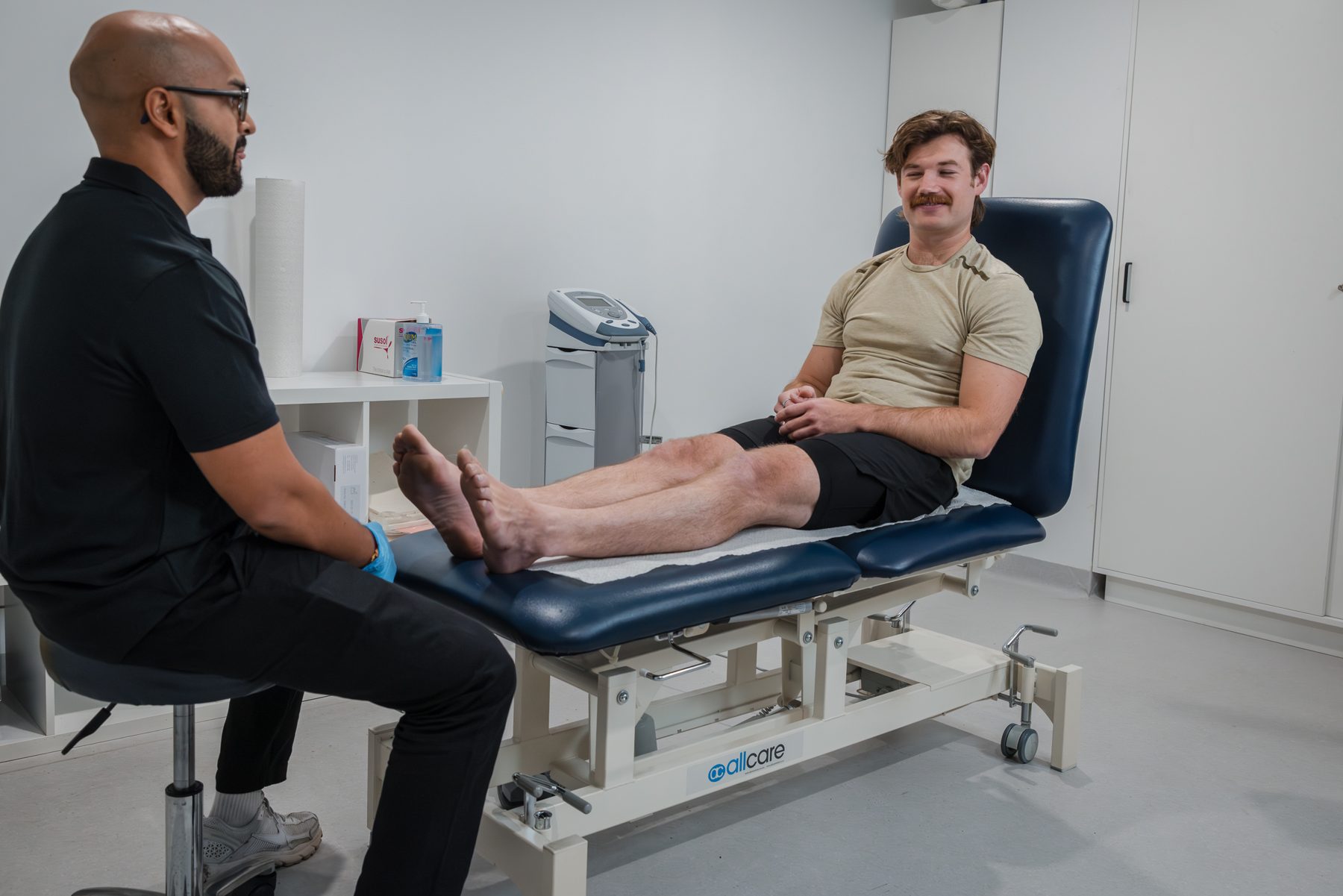
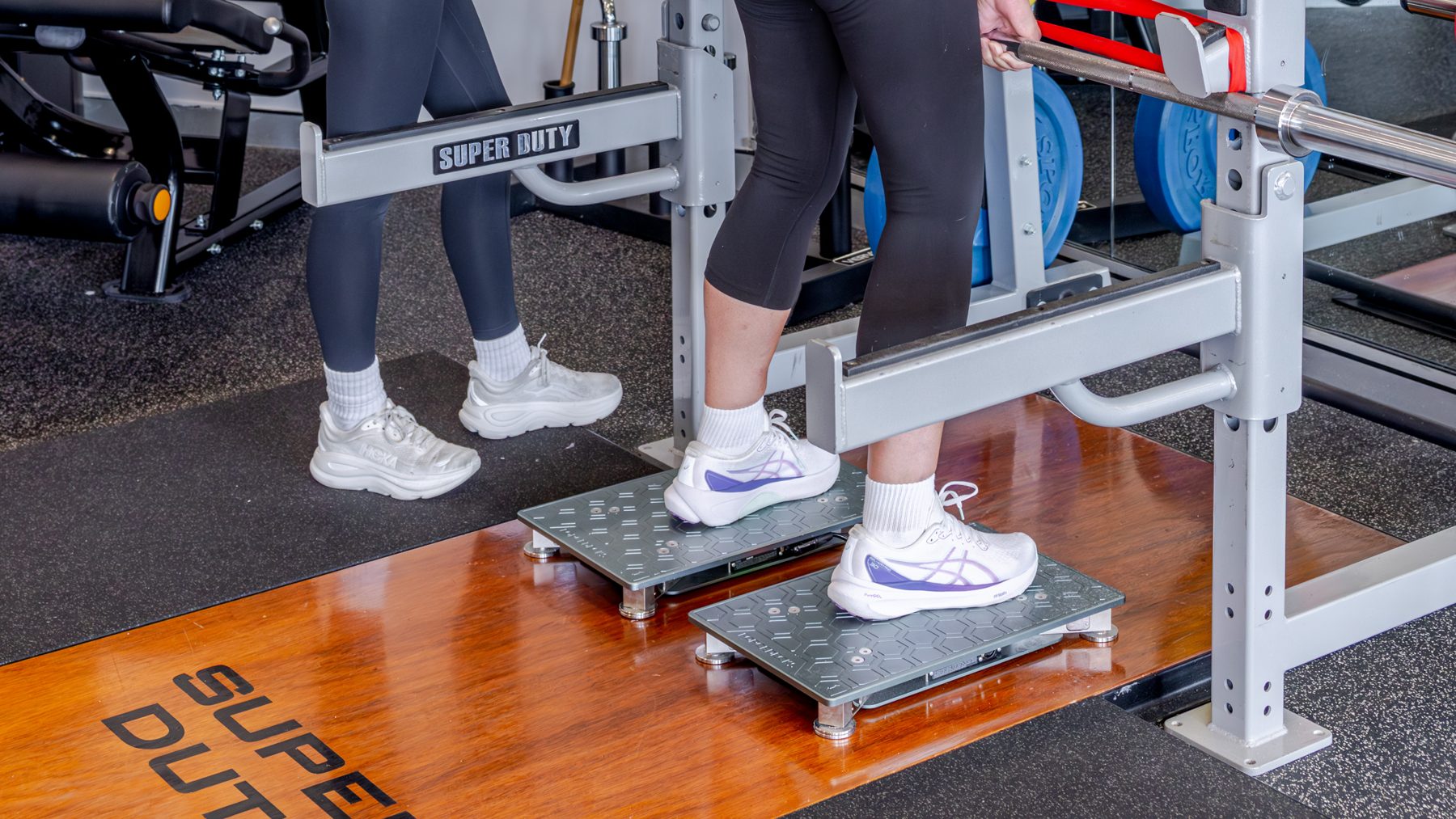
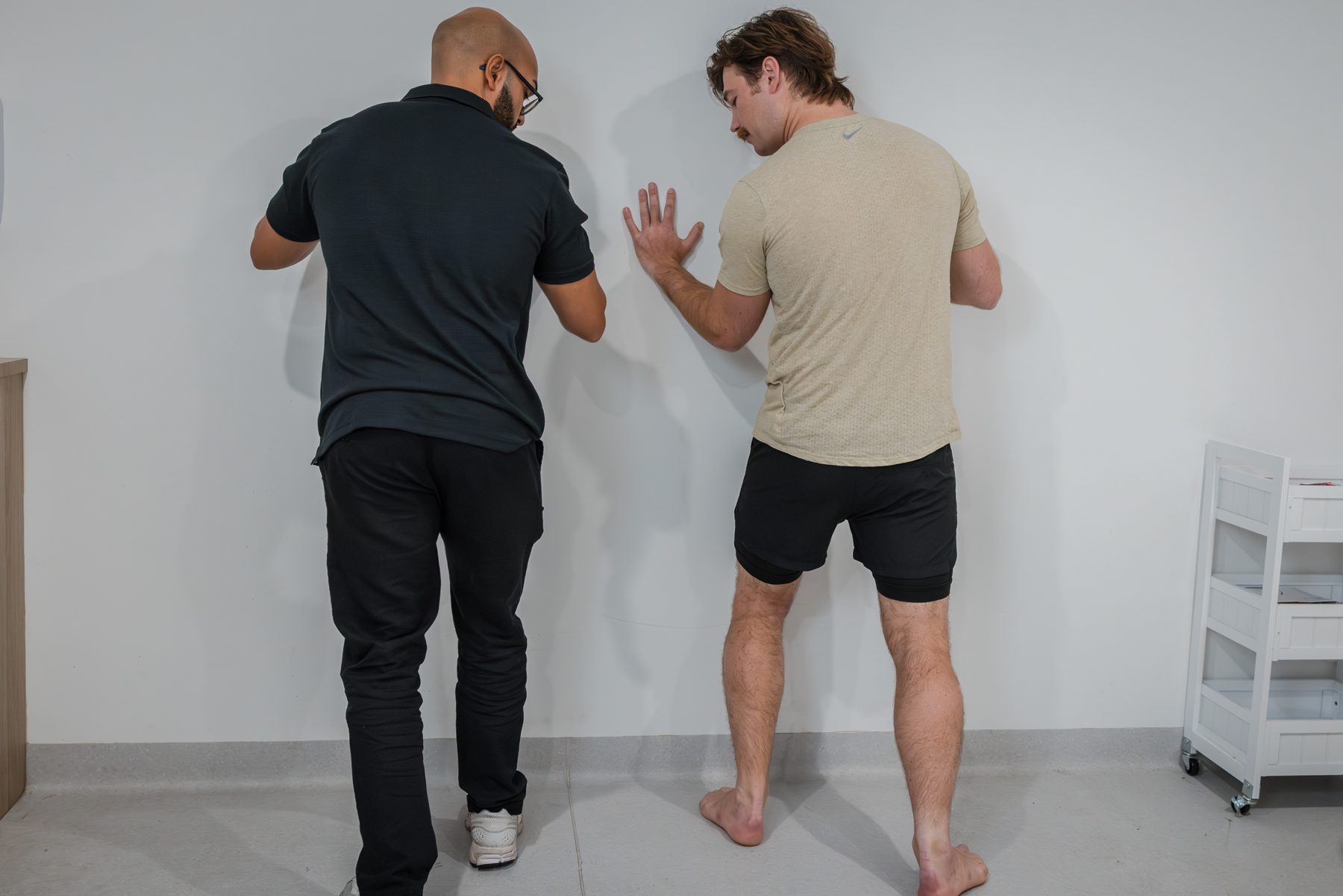
We spend 45 minutes on the first visit because back pain rarely has one cause. You leave with a written plan, a small number of exercises you can actually do, and a realistic timeframe. If your pain has been around for more than a few months, the 12 week Got Your Back program combines physio, exercise physiology and education in one pathway.
Sounds familiar?
Book with our physiotherapy team at any of our clinics.