Falls are not a normal part of ageing. They are usually the result of a few things stacking up: weaker legs, slower balance reactions, a medication change, poor lighting or footwear. Most of those can be fixed.
1. Balance training, done properly
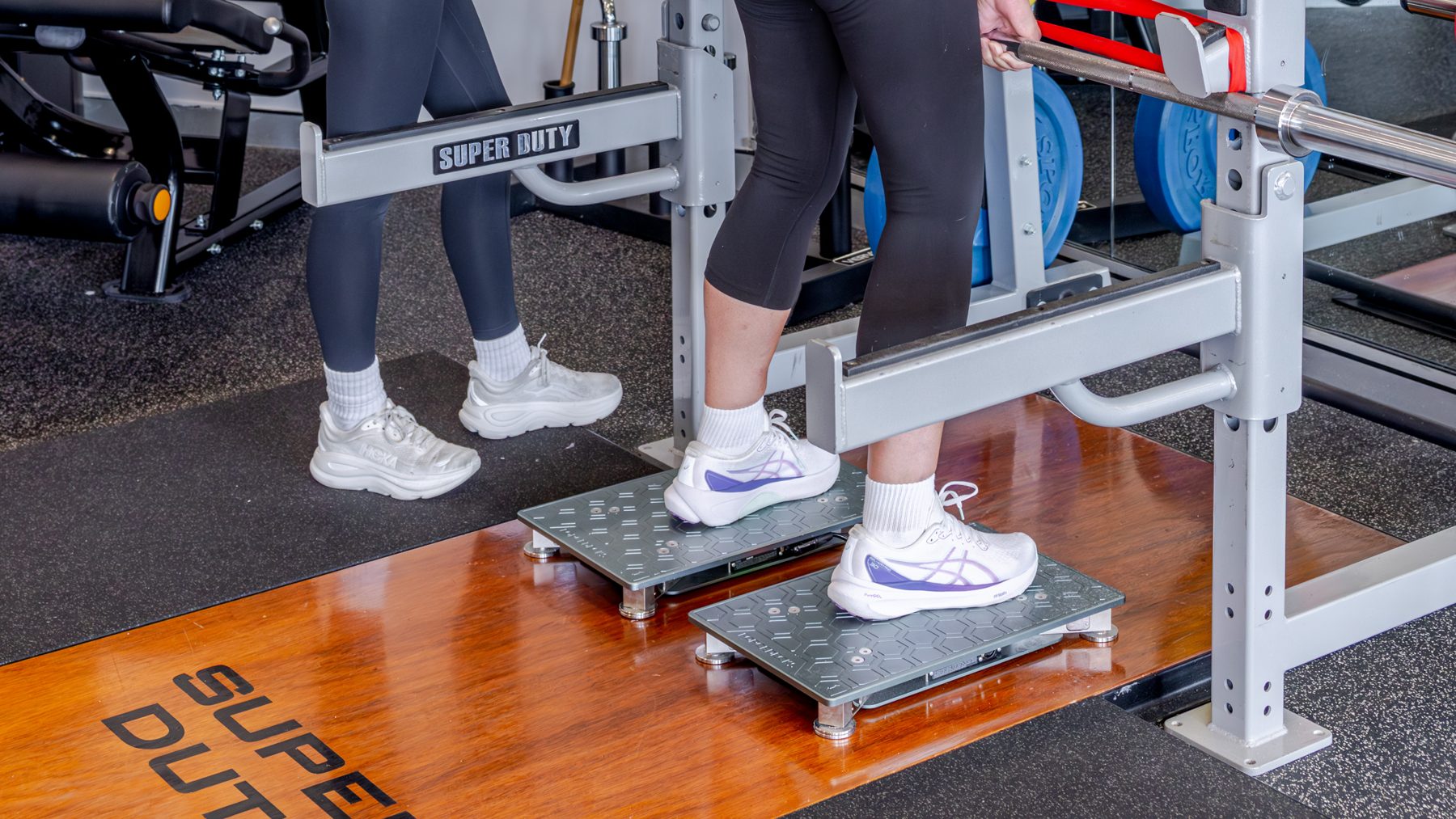
The strongest evidence is for balance exercise that is challenging, meaning you should feel slightly unsteady while doing it, with something to hold nearby. Standing on one leg while the kettle boils counts. So does tandem walking down the hallway. Two to three hours a week is the target in the research, but every bit helps.
2. Leg strength
Getting out of a chair without using your hands is a good test. If that is hard, sit to stand repetitions are the exercise. Our exercise physiologists progress this safely, adding load over weeks so the change sticks.
3. A home and medication check
An occupational therapist can assess your home for trip hazards, lighting and grab rails. If you have started a new medication and feel lightheaded, tell your GP. Dizziness is one of the most common triggers we see.
Where we come in
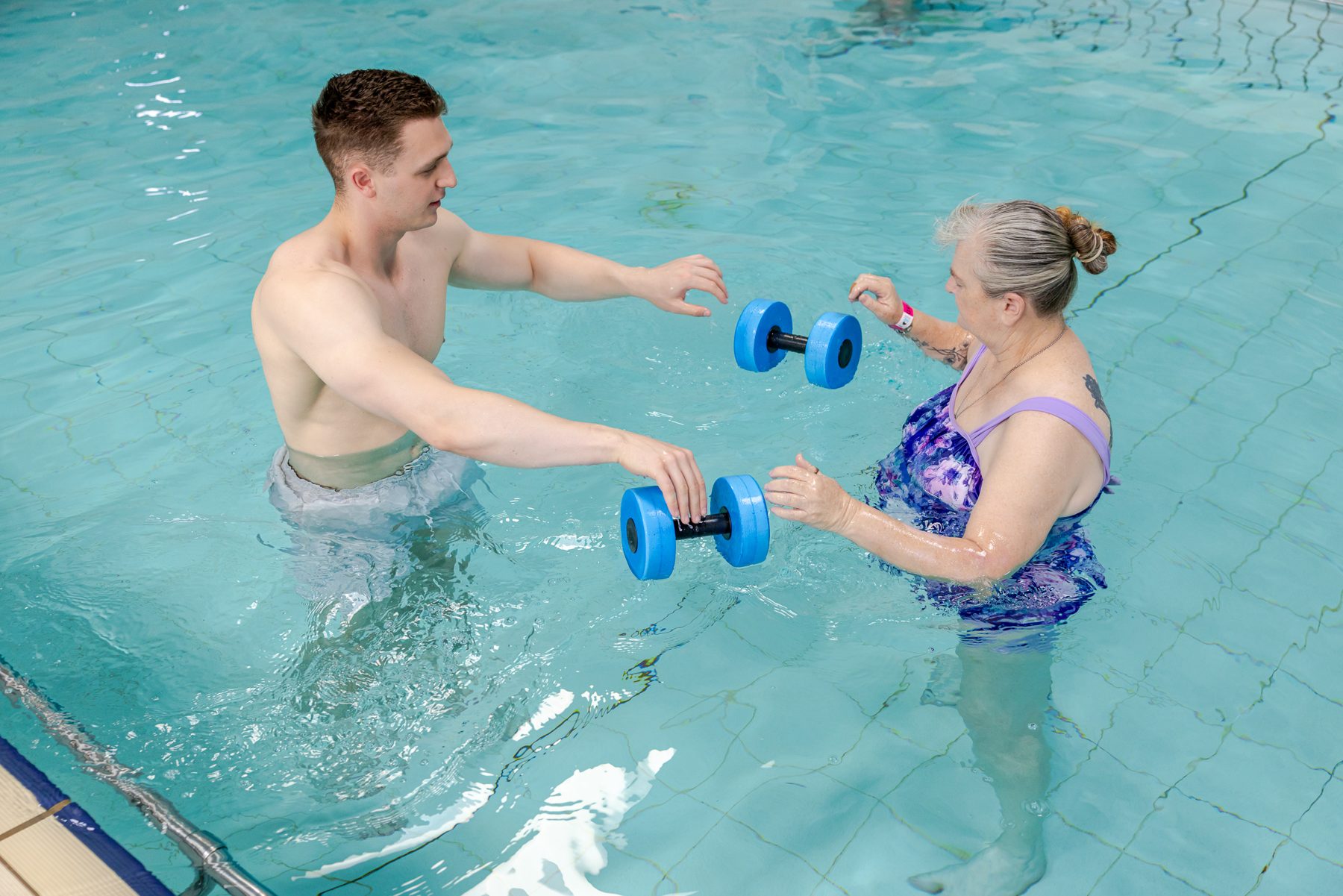
Our Strength for older adults classes and Stand Strong program both target the leg strength and balance that keep you upright. If you are a DVA card holder or on a Medicare care plan, sessions are usually covered.
Sounds familiar?
Book with our exercise physiology team at any of our clinics.